

 App Store
 Profile
 Security
 Sign Out
 Feeds
Feeds
 Articles
Trump vs. Powell: Fed Showdown Could Shake Crypto Markets
 DanteX
Jerome Powell will be FIRED in April
Rates will be cut by 2% on next FOMC meeting
Next target: $BTC - $150K, $ETH - $5K, $SOL - $500
Here's Trump's secret plan and when crypto will explode👇🧵
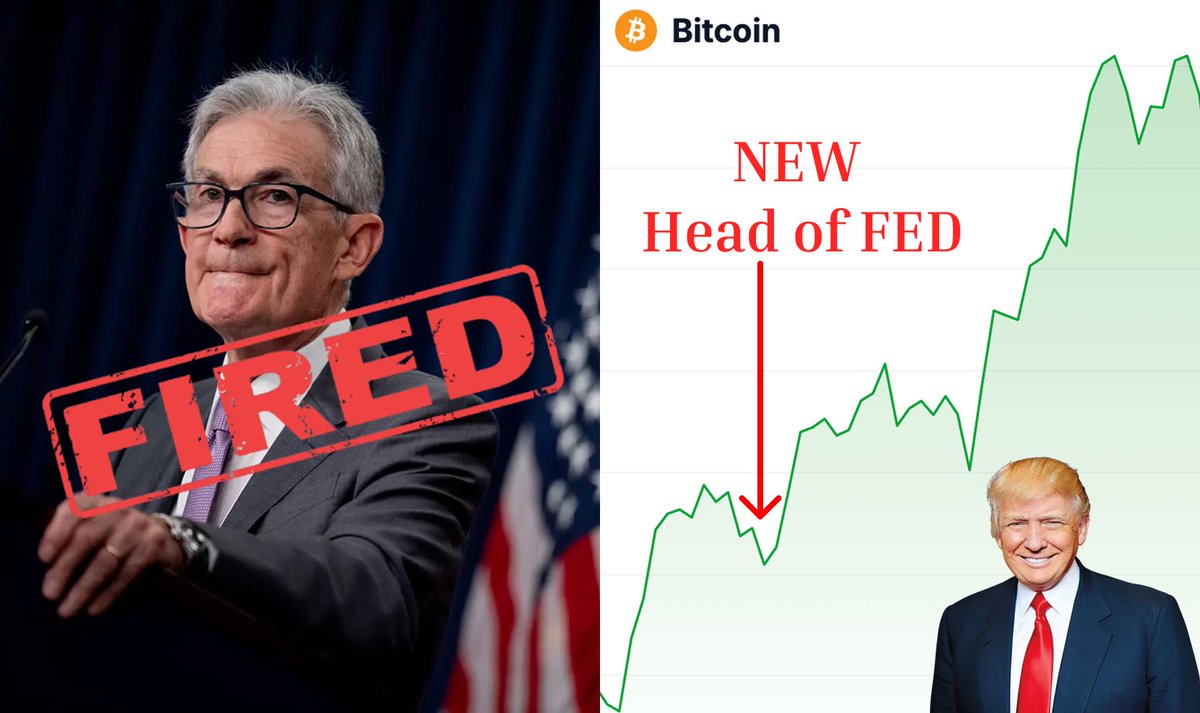
On April 17, Donald Trump called for the immediate dismissal of Federal Reserve Chair Jerome Powell, labeling him “consistently late” and unfit for the role
He criticized Powell for not cutting interest rates despite falling oil and food prices and referred to the Fed’s latest report as “a typical mess”
According to Trump, the Fed is acting too slowly and holding back the U.S. economy when conditions clearly call for easing
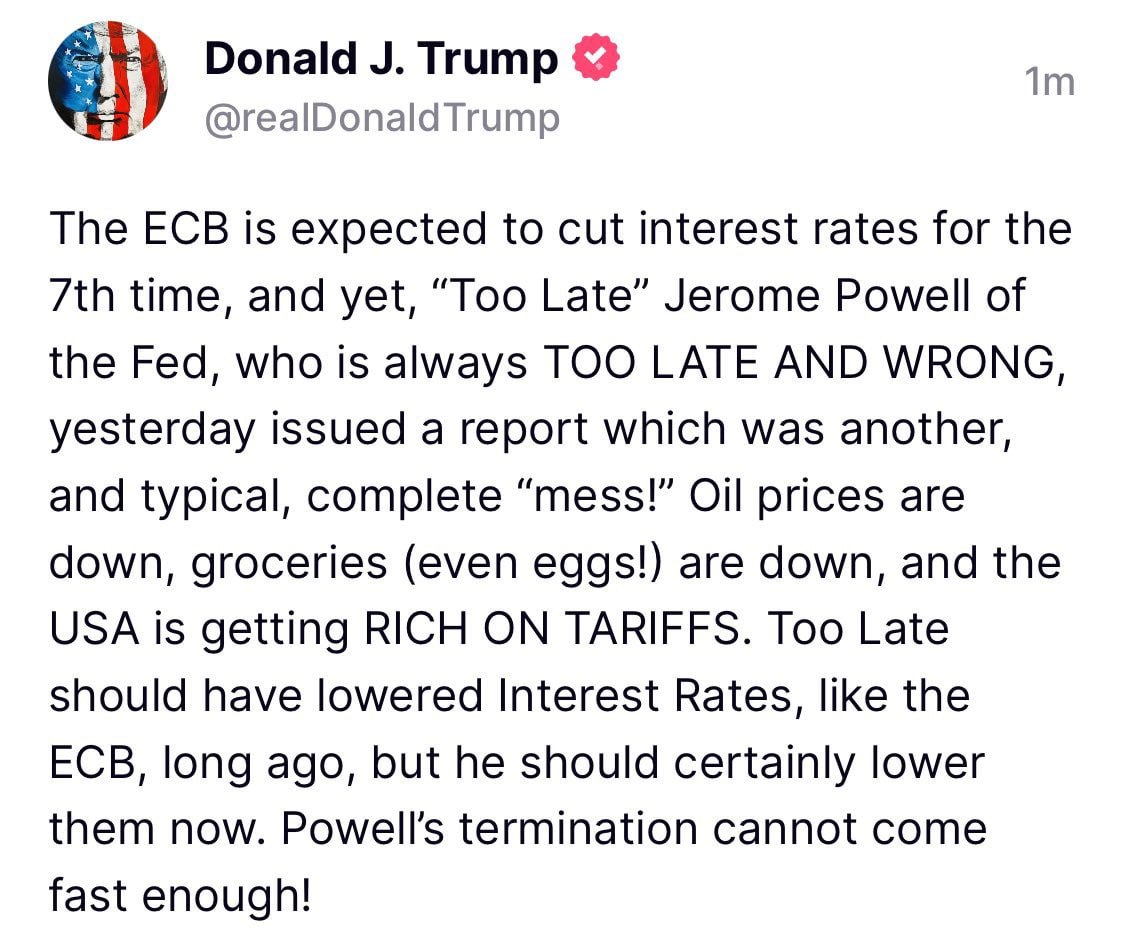
Trump pointed to the European Central Bank as a contrast, noting it has cut rates seven times since mid-2024
Meanwhile, the Fed has only made one 1% reduction in the same period and maintains rates at 4.25–4.5%
He believes this gap is putting the U.S. at a disadvantage in global markets and slowing job creation
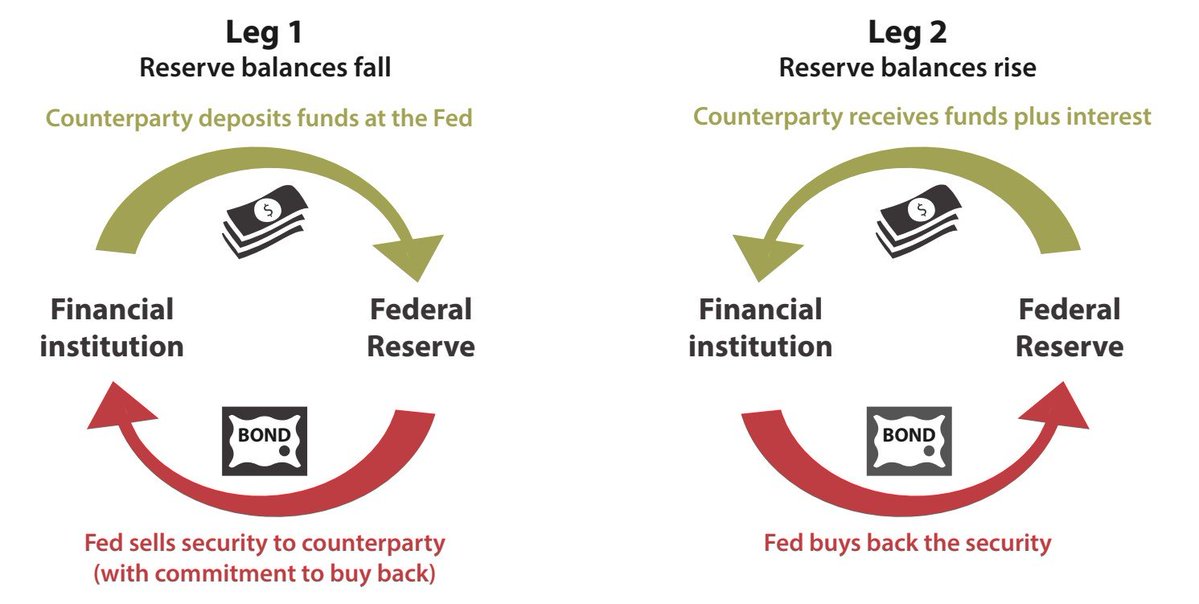
Trump claims that the U.S. is generating billions in revenue each week from tariffs imposed earlier this month
He argues this income offsets inflation risks and strengthens the economic case for rate cuts
For him, strong tariff-driven inflows plus declining consumer prices create a clear opportunity for monetary easing
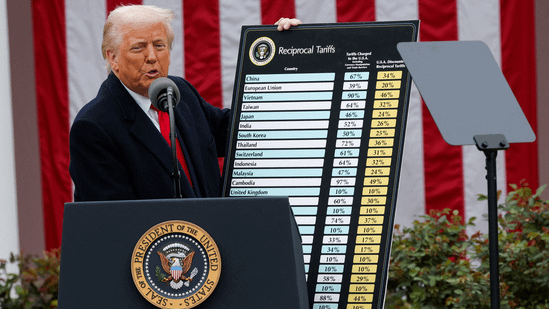
On April 2, Trump announced tariffs between 10% and 49% on imports from 185 countries and up to 145% on Chinese goods
He described this as a strategy to defend domestic industries and rebalance trade flows
Critics warn the policy could drive up input costs and prompt retaliatory actions from key trade partners
Still, Trump insists these tariffs will stimulate manufacturing and make the U.S. more self-reliant
In response, Jerome Powell warned that the tariffs could increase inflationary pressure and disrupt economic growth
He said the Fed needs more data to assess how tariffs affect supply chains, pricing, and consumer confidence
Powell emphasized that monetary decisions must be based on long-term stability, not short-term political narratives
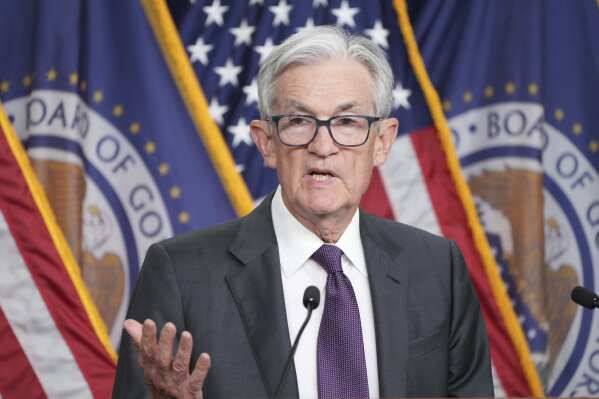
Powell reminded the public that the Federal Reserve operates independently and that the President lacks the authority to remove its chair
He declared he will not resign and intends to serve his full term, which ends in May 2026
He stressed that policy decisions will continue to be guided by economic indicators rather than political pressure
Nevertheless, Trump escalated the situation by filing a request to the Supreme Court on April 11
His aim is to gain legal power to dismiss the heads of independent agencies, including potentially the Fed chair
If approved, this could set a constitutional precedent and allow Trump to bypass traditional institutional limits
Trump’s conflict with Powell is not new - it dates back to 2018, when Trump himself appointed Powell
By 2019, Trump was already calling the Fed “the only problem” with the economy and blamed Powell for tightening too aggressively
Now, with Trump back in office, his pressure has become more direct and legally strategic
Market reaction to these developments has been mixed
Following Powell’s recent comments, the dollar dipped slightly while U.S. equity markets rose between 0.2% and 1.6%
Investors appear cautiously optimistic, but political interference remains a key source of uncertainty
The next Fed meeting on May 6–7 will be closely watched for any policy shifts or signals
Markets will look for clues on whether the Fed will proceed with rate cuts or maintain a cautious approach
The tone of the post-meeting statement could either ease tensions or further widen the divide with the White House
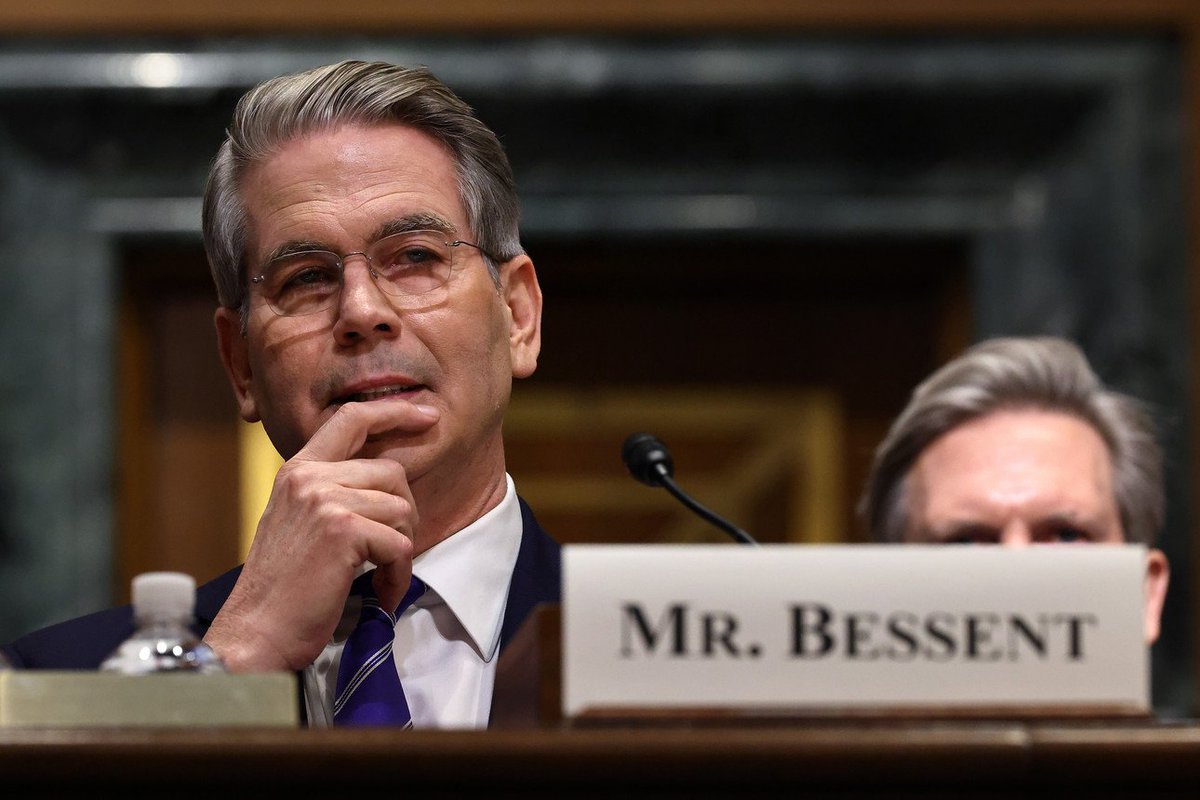
Treasury Secretary Scott Bessent confirmed that the Trump administration plans to begin identifying Powell’s potential successor this fall
This suggests that even without court approval, the White House is preparing to change Fed leadership after May 2026
But if the Supreme Court rules in Trump’s favor, that timeline could shift much sooner
Economists warn that undermining central bank independence could damage U.S. credibility and raise borrowing costs
A politically dominated Fed would lose market trust, making inflation control and crisis management far more difficult
These risks grow with every new attempt to subject the Fed to executive influence
Trump advocates for protectionism, low rates, and direct political control over economic levers
Powell stands for institutional stability, data-driven decisions, and inflation management
This is more than a personality clash - it’s a collision between two economic philosophies
In the short term, Powell may delay rate cuts to avoid the appearance of yielding to political pressure
In the long term, continued attacks from the White House could weaken the Fed’s authority and destabilize expectations
The outcome of this confrontation may redefine the balance between democratic institutions and market governance in the U.S.
 Source
 Add to Favorites
 Download image
 Share x
 Copy link
Bitcoin may enter a prolonged sideways phase between $57K and $87K as markets enter a relief period following a 52% drop from ATH. This consolidation could mirror the 2022 fractal, creating liquidity before a potential breakdown toward the $44K–$50K range.
Doctor Profit/2026.03.09

Davinci Jeremie urged people to buy $1 of Bitcoin in 2013 and became a symbol of early conviction. Years later, fame, lifestyle flexing, and token promotions sparked criticism. His journey reflects both crypto foresight and influencer-era controversy.
StarPlatinum/2026.03.04
A sweeping narrative ties Jane Street to India’s expiry-day options case, alleged 10AM Bitcoin sell patterns, Terra’s collapse, and ETF plumbing. While none prove misconduct, critics argue a common structure: move spot, monetize derivatives, keep execution opaque.
Bull Theory/2026.02.27
A controversial narrative links Jane Street, ETF mechanics, and Bitcoin’s price behavior, pointing to lawsuit allegations, 10AM volatility patterns, and derivative hedging dynamics. The discussion raises broader questions about liquidity, structure, and price discovery.
Justin Bechler/2026.02.26
A new federal lawsuit alleges Jane Street exploited non-public information tied to Terraform’s liquidity defenses, accelerating UST’s depeg and the Terra collapse. The firm denies the claims. The case may reignite debates on structure, design, and regulation.
Diana/2026.02.25
Mean reversion and on-chain models sit at levels historically linked to bottom formation after capitulation. Realized losses reached record USD values, while deviations from anchor models remain extreme. Price pain may be fading; patience remains key.
Checkmate/2026.02.25
Hot feeds
A trader profits $448K by monitoring #Binance's new listings!
2024.12.13 17:37:29
Last week, funds have flowed into #Bitcoin, #Ethereum, and #Hyperliquid.
2024.12.16 14:48:36
A $PEPE whale that had been dormant for 600 days transferred all 2.1T $PEPE($52M) to a new address.
2024.12.14 10:35:27
When Elon Musk tweeted about Moltbook, the meme coin MOLT experienced a short-term 30% price surge, hitting a new all-time high of $114 million.
2026.01.31 18:37:29
A smart #AI coin trader made $17.6M on $GOAT, $ai16z, $Fartcoin,$arc.
2025.01.05 16:05:18
A sniper earned 2,277 $ETH ($8.3M) trading $SHIRO within 18 hours!
2024.12.03 23:09:08
MoreHot Articles
How did I turn $1,000 into $30,000 with smart money?
2024.12.09
10 promising AI Agent cryptos
2024.12.05
The 30-Year-Old Entrepreneur Behind Virtual, a Multi-Million Dollar AI Agent Society
2025.01.22
10 smart traders specializing in MEMEcoin trading on Solana
2024.12.09
A trader lost $73.9K trading memecoins in just 3 minutes — a lesson for us all!
2024.12.13
What is $SPORE? Let us take you through the on-chain records to show you how it works.
2024.12.25

